
Why Every Traveler Should Experience Indonesia’s Wayang Kulit at Least Once
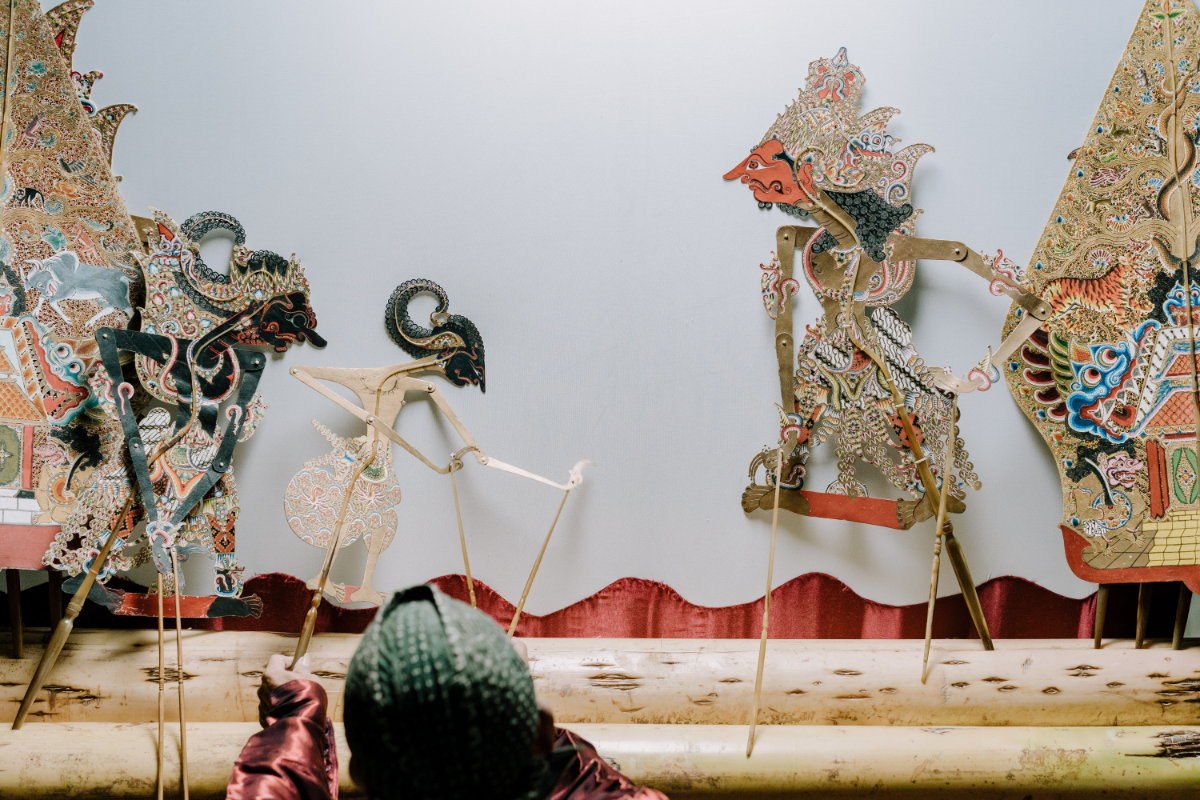
Wayang kulit Indonesia traditional shadow puppet show by Studio Indonesia
There are countless ways to experience Indonesia. You can hike volcanoes at sunrise, dive into crystal-clear waters, or wander through centuries-old temples. But if you truly want to understand the soul of Indonesian culture—especially the rich traditions of Java—there is one experience you shouldn’t miss: watching a Wayang Kulit performance.
I had heard about Wayang Kulit long before visiting Java. People described it as a shadow puppet show, but after experiencing it firsthand, I realized that description barely scratches the surface. It is not simply a performance; it is a fascinating combination of storytelling, music, philosophy, craftsmanship, and community spirit that has been passed down for centuries.
That evening became one of the most memorable cultural experiences of my journey through Indonesia.
A Magical Evening Before the Performance Begins
The performance took place in a village square shortly after sunset. As I arrived, the atmosphere already felt festive. Families, elderly couples, young children, and visitors from nearby towns slowly gathered around the stage. Some sat on woven mats while others enjoyed traditional snacks from local vendors.
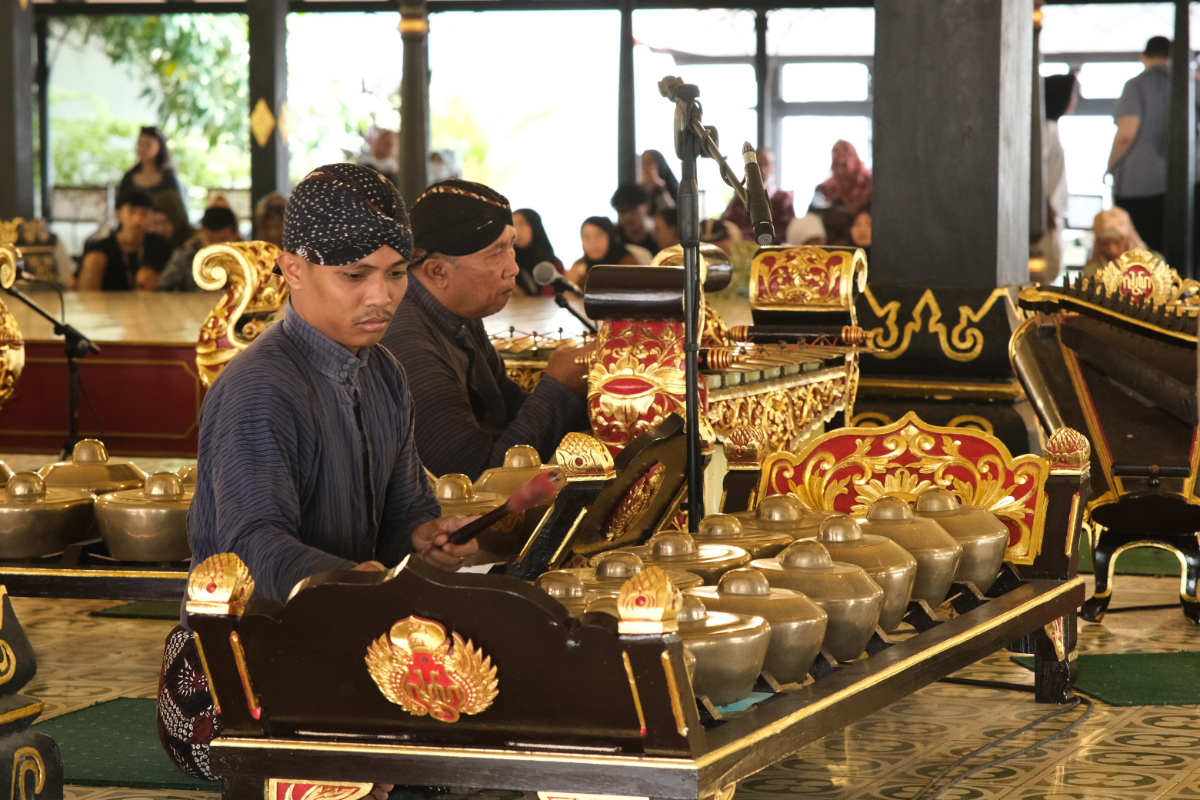
The smell of grilled corn mixed with the cool evening air, while the gentle sounds of the gamelan orchestra floated across the venue. Musicians carefully tuned their instruments, and conversations gradually became quieter as everyone waited for the show to begin.
Read also :

Unlike modern performances where audiences immediately focus on the stage, a Wayang Kulit performance allows everyone to enjoy the entire atmosphere. It feels less like attending a show and more like becoming part of a community celebration.
Discovering the Art of Wayang Kulit
As the lights dimmed, a large white screen, known as the kelir, became the center of attention. Behind it stood dozens of beautifully crafted leather puppets, each carefully arranged according to its role in the story.
Wayang Kulit literally means “leather shadow puppet.” Each puppet is handmade from buffalo hide, carved with incredible detail, and painted in vibrant colors. Every character has its own unique appearance, symbolizing different personalities, virtues, and flaws.
What audiences see is not the puppets themselves, but their shadows projected onto the white screen by a single light source placed behind it. This simple technique creates a surprisingly dramatic visual effect that has captivated audiences for generations.
Watching the shadows move gracefully across the screen, I quickly forgot that they were merely puppets. Each one seemed to possess its own personality.
More Than Entertainment
Many Wayang Kulit performances tell stories adapted from the ancient Indian epics, the Mahabharata and the Ramayana. However, these stories are not presented exactly as they appear in the original texts. Over hundreds of years, Javanese culture has transformed them into narratives that reflect local wisdom, traditions, and values.
As the story unfolded, heroic battles alternated with humorous conversations. The audience laughed loudly whenever the beloved clown servants—Semar, Gareng, Petruk, and Bagong—appeared on stage. Their jokes often referenced everyday life, making the centuries-old stories surprisingly relatable.
Beyond the humor and action, every scene carried meaningful lessons about honesty, courage, loyalty, humility, and justice. Rather than preaching directly, the performance allowed these values to emerge naturally through its characters and conflicts.
The Dalang: The Heart of Every Performance
The true star of Wayang Kulit is the dalang, or puppet master.
Sitting behind the screen, the dalang controls dozens of puppets while simultaneously narrating the story, performing every character’s voice, directing the musicians, and maintaining the rhythm of the performance.
Watching a skilled dalang at work is astonishing. Within seconds, he shifts from the voice of a noble king to a fearsome giant, then suddenly transforms into a hilarious comic character that sends the audience into laughter.
The performance requires remarkable concentration, creativity, and stamina. Some Wayang Kulit shows continue throughout the entire night, yet the dalang maintains energy from beginning to end.
Many dalangs also incorporate current social issues into their performances. Through humor and clever dialogue, they comment on politics, education, environmental concerns, or everyday life, making the ancient art form feel remarkably relevant even today.
The Enchanting Sound of the Gamelan Orchestra
No Wayang Kulit performance would be complete without the beautiful sound of the gamelan orchestra.
Every scene is accompanied by traditional instruments such as metallophones, gongs, drums, and xylophone-like instruments. Their rhythms change constantly to match the emotions unfolding on the screen.
Fast-paced battle scenes are energized by powerful percussion, while emotional moments are enhanced by slower, more delicate melodies. The graceful voice of the sinden, the traditional female singer, adds another layer of beauty that fills the night with an almost magical atmosphere.
Even if you don’t understand every word being sung, the music itself communicates the emotions perfectly.
Why Wayang Kulit Still Captivates Modern Audiences
In today’s world of streaming platforms, blockbuster movies, and endless social media content, one might assume that a traditional puppet performance would struggle to attract attention.
The opposite is true.
During the performance, I noticed local families sitting alongside international travelers from Europe, Australia, and Asia. Everyone watched with genuine curiosity.
The appeal lies in its authenticity. Wayang Kulit offers something that modern entertainment often cannot: a direct connection to centuries of living tradition. It combines visual art, music, literature, theater, philosophy, and spirituality into a single unforgettable experience.
For travelers seeking more than just beautiful landscapes, Wayang Kulit provides a meaningful glimpse into Indonesia’s cultural identity.
Tips for Watching Wayang Kulit as a Traveler
If you have the opportunity to attend a Wayang Kulit performance, arrive early to enjoy the lively atmosphere before the show begins. The preparation itself is fascinating to watch.
Wear comfortable clothing, as performances can last several hours. Outdoor venues may also become cooler late at night, so bringing a light jacket is a good idea.
Take time to explore the nearby food stalls. Enjoying local snacks and a warm cup of traditional ginger tea while listening to the gamelan is part of the experience.
Most importantly, don’t hesitate to ask local people about the story or the characters. Indonesians are generally proud of their cultural heritage and are often happy to share their knowledge with visitors.
A Living Cultural Treasure Worth Preserving
As the performance drew to a close, I realized I had spent several hours completely immersed in a centuries-old tradition without once checking my phone.
Wayang Kulit is far more than a shadow puppet show. It is a living museum of Indonesian culture—a place where history, philosophy, music, literature, visual arts, and community traditions come together in perfect harmony.
For anyone planning a trip to Indonesia, especially to Yogyakarta, Solo, or other parts of Java, watching a Wayang Kulit performance is an experience that deserves a place on your itinerary.
Sometimes, the best way to discover a country isn’t by visiting another famous landmark. Sometimes, it’s by sitting among local families under the night sky, listening to the gentle sound of gamelan, and watching timeless stories come alive through dancing shadows on a simple white screen.

I am a tourism enthusiast passionate about discovering Indonesia’s destinations, culture, and local communities. I believe tourism and UMKM can grow together, creating meaningful experiences for travelers while supporting local businesses and communities.
Related Post

Subscribe
Login
0 Comments
Oldest