
How to Communicate in Indonesia: Tips & Tricks to Overcome the Language Barrier
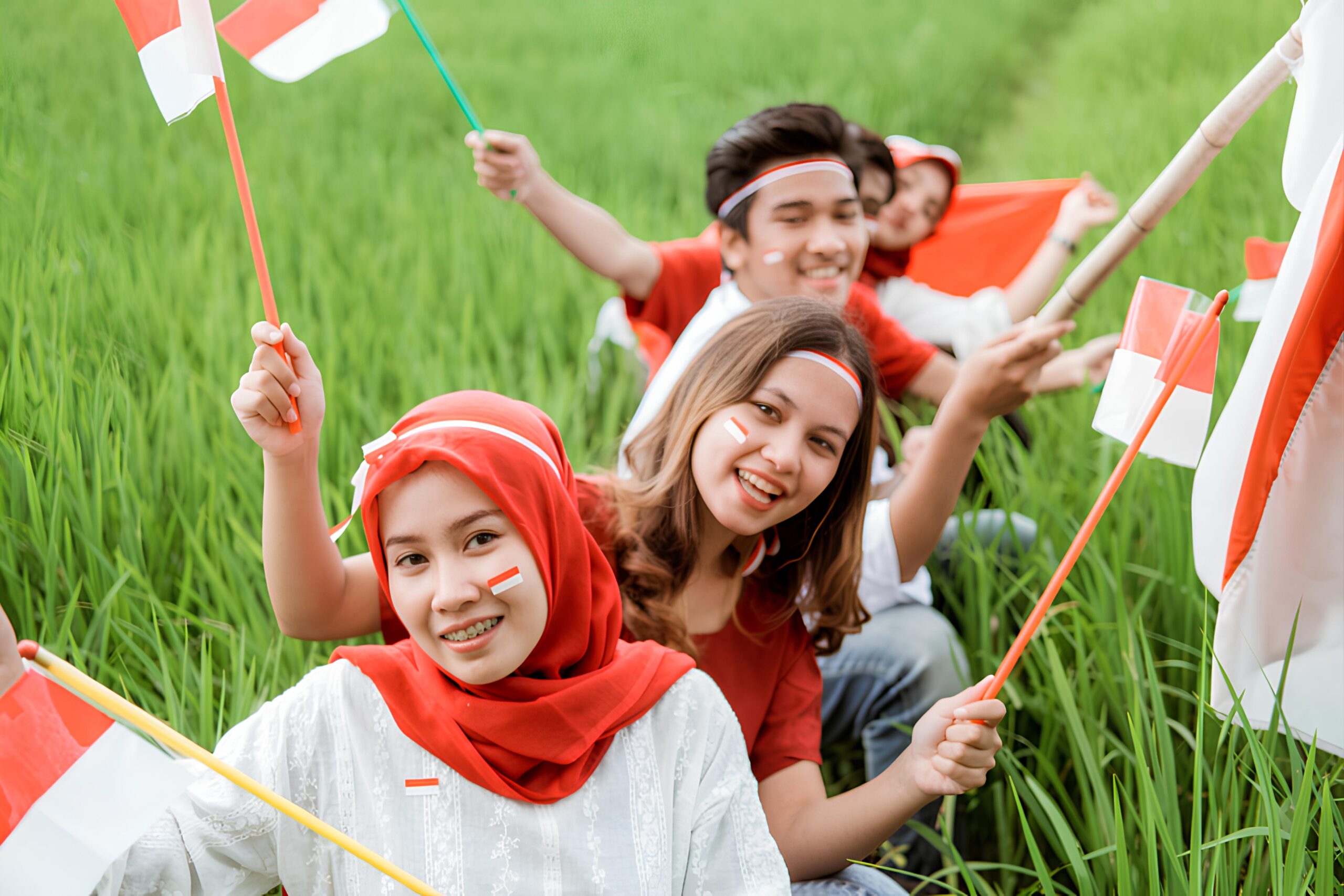
If you’re planning your first trip to Indonesia, chances are you’ve wondered one thing more than once: “How am I going to communicate if I don’t speak Indonesian?”
I had exactly the same concern before my first visit. Indonesia was at the top of my travel bucket list, but I knew almost nothing about the language. I imagined awkward moments at restaurants, getting lost in unfamiliar streets, or struggling to explain where I wanted to go.
Fortunately, reality turned out to be much more reassuring.
After spending time exploring different parts of Indonesia, from bustling cities to peaceful villages, I realized that the language barrier wasn’t nearly as intimidating as I had expected. Indonesians are incredibly friendly, patient, and genuinely happy to help visitors. Even when words fail, a smile, a few simple phrases, and the right travel apps can solve almost every communication challenge.
In this guide, I’ll share the practical tips that made my journey much easier. Whether you’re heading to Bali, Yogyakarta, Jakarta, Lombok, or somewhere off the beaten path, these simple tricks will help you communicate with confidence and enjoy a smoother travel experience.
Read also :
Don’t Panic, Most Indonesians Are Friendly and Happy to Help
One of the first things I noticed after arriving in Indonesia wasn’t the beautiful scenery or the delicious food, it was the warmth of the people.
During my first afternoon in Yogyakarta, I accidentally walked in the wrong direction while looking for a traditional market. Instead of ignoring my confused expression, a local shop owner smiled, approached me, and asked in simple English, “Need help?”
His English wasn’t perfect, and my Indonesian vocabulary consisted of only a few words, but somehow we managed to understand each other. He pointed toward the correct street, even walking with me for a few minutes to make sure I wouldn’t get lost again.
That small interaction perfectly represents what many travelers experience in Indonesia.
Most Indonesians don’t expect foreigners to speak fluent Indonesian. What they appreciate is your willingness to communicate politely and respectfully. Even if someone doesn’t speak much English, they’ll often try their best to help using gestures, simple words, or even by asking someone nearby who speaks better English.
You’ll quickly discover that patience and friendliness often matter much more than vocabulary.
Learn a Few Essential Indonesian Words Before You Arrive
You don’t need months of language lessons before visiting Indonesia.
In fact, learning just a handful of everyday expressions can make your trip much more enjoyable.
Some of the most useful words include: Halo (Hello), Terima kasih (Thank you), Tolong (Please / Help), Permisi (Excuse me), Ya (Yes), Tidak (No), Berapa? (How much?), Di mana…? (Where is…?), Mahal (Expensive), Murah (Cheap), Selamat pagi (Good Morning), Selamat malam (Good evening)
Whenever I greeted someone with a simple “Halo” or thanked them by saying “Terima kasih,” I almost always received a big smile in return.
Another great thing about Indonesian (Bahasa Indonesia) is that pronunciation is relatively straightforward. Most words are pronounced very close to how they’re written, making it easier for beginners than many other Asian languages.
Don’t worry about having a perfect accent. Locals usually appreciate the effort more than the pronunciation itself.
English Is More Common Than You Might Expect
Many first-time visitors assume that almost nobody in Indonesia speaks English.
That isn’t entirely true.
In popular tourist destinations such as Bali, Jakarta, Yogyakarta, Lombok, and Labuan Bajo, you’ll find that many people working in hotels, restaurants, cafés, airports, and tourist attractions can communicate in conversational English.
Hotel receptionists, tour guides, waiters, and ride-hailing drivers who regularly serve international visitors are generally comfortable using basic English.
However, the situation changes once you venture into smaller towns or rural villages.
In these areas, English becomes less common, especially among older generations. That’s when simple communication techniques become incredibly useful.
The good news is that kindness bridges many communication gaps. Even when people don’t understand your words immediately, they’re usually willing to help until both of you figure things out.
Download Translation Apps Before Leaving Home
One of the smartest things you can do before flying to Indonesia is downloading a reliable translation app.
Google Translate became one of my most-used travel tools throughout the trip.
Before departure, download the Indonesian language pack so you can use the app offline. This feature can be a lifesaver when you’re in areas with weak internet coverage.
The camera translation function is especially useful when reading restaurant menus, street signs, museum information, or local product labels.
Voice translation also works surprisingly well for simple conversations.
I remember visiting a small family-owned restaurant where nobody spoke English. Instead of giving up, I simply typed my question into Google Translate, showed the screen to the owner, and within seconds we were chatting—through our phones.
Technology doesn’t replace human interaction, but it certainly makes communication much easier.
Keep Your English Simple
One mistake many travelers make is speaking English exactly as they would back home.
Long sentences, complicated grammar, and idiomatic expressions often create unnecessary confusion.
Instead of saying “Could you please tell me whether there’s a nearby restaurant that serves authentic Indonesian cuisine?”
Try something much simpler “Local food?”, “Restaurant?”, “Near here?”, “Good food?”
Short sentences are easier for everyone to understand.
Speak slowly, avoid slang, and give the other person time to process what you’re saying.
Remember, communication isn’t about showing off your vocabulary—it’s about making yourself understood.
Let Body Language Do Half the Talking
Sometimes, words aren’t even necessary.
Body language is one of the most powerful communication tools while traveling in Indonesia.
Pointing at a menu item, showing the number of people with your fingers, smiling while asking for help, or using simple hand gestures can communicate surprisingly complex ideas.
When I wasn’t sure how to pronounce a traditional Indonesian dish, I simply pointed at another customer’s meal and smiled.
The waiter immediately understood.
Showing photos on your phone is another incredibly useful trick.
Need to find a pharmacy?
Show a picture.
Looking for an ATM?
Display the ATM icon on your phone.
Trying to buy a particular snack?
Search for an image online and show it to the shopkeeper.
Visual communication often works faster than spoken language.
Save Important Addresses Before Exploring
This is one travel habit that saved me multiple times.
Before leaving your hotel each morning, save important locations on your phone.
Include your hotel name, full address, nearby landmarks, and destinations you plan to visit.
Taking screenshots is also a smart backup in case you lose internet access.
When taking a taxi or ride-hailing service, you can simply show the address rather than trying to pronounce unfamiliar street names.
Many Indonesian drivers rely heavily on digital maps, so showing the exact destination often avoids misunderstandings.
It also provides peace of mind if you ever need help returning to your accommodation.
Ordering Food in Indonesia Without Speaking Indonesian
One of the highlights of traveling in Indonesia is undoubtedly the food. From flavorful bowls of Soto Ayam to sizzling Satay, rich Rendang, and the ever-popular Nasi Goreng, every region has its own culinary treasures waiting to be discovered.
But if you can’t speak Indonesian, ordering your meal may seem intimidating at first.
Fortunately, it’s much easier than you might think.
Many restaurants, especially in tourist destinations, offer menus with pictures or even English translations. If they don’t, simply point to the dish you’d like to try. Restaurant staff are accustomed to helping international visitors and are usually patient throughout the ordering process.
One lesson I learned quickly was to ask about the spice level before ordering.
Indonesian cuisine is famous for its bold flavors, and many local dishes can be surprisingly spicy. During one lunch in Yogyakarta, I confidently ordered what looked like a delicious bowl of noodles. A few minutes later, I realized my “mild-looking” meal was packed with fiery chilies.
The waiter laughed kindly as he brought me another glass of iced tea.
Since then, I always learned a few helpful phrases before sitting down to eat.
For example : Tidak pedas means “not spicy.”, Sedikit pedas means “a little spicy.”, Air putih means plain drinking water, Enak means delicious, Bon simply means the bill or check.
Using even one or two of these expressions often brings an appreciative smile from restaurant staff.
Don’t hesitate to ask for recommendations either. Even if the conversation relies on pointing, gestures, or translation apps, you’ll often discover dishes you might never have ordered otherwise.
Some of my favorite Indonesian meals were recommendations from local people who proudly introduced me to specialties from their hometown.
Bargaining at Traditional Markets
Exploring Indonesia’s traditional markets is an experience you shouldn’t miss.
Unlike modern shopping malls, traditional markets are full of colorful stalls, handmade crafts, aromatic spices, tropical fruits, textiles, and friendly conversations.
If you’re shopping for souvenirs, bargaining is often part of the experience.
However, it’s important to understand that bargaining isn’t expected everywhere.
Small souvenir stalls and traditional markets usually allow polite negotiation, while supermarkets, convenience stores, shopping malls, and branded shops have fixed prices.
The secret is to treat bargaining as a friendly conversation rather than a competition.
Smile.
Stay relaxed.
Be respectful.
If the first price seems too high, politely ask if there’s a better price available.
You don’t need perfect Indonesian to do this.
Simple expressions like: “Bisa kurang?” (Can you lower the price?), “Terlalu mahal.” (Too expensive.), “Harga terbaik?” (Best price?), are often enough to begin a friendly negotiation.
One afternoon at a traditional art market in Bali, I was looking for a handmade wooden carving.
The vendor quoted a price that was clearly intended as a starting point.
We smiled, exchanged a few numbers on a calculator, laughed several times during the negotiation, and eventually agreed on a price that made both of us happy.
That interaction felt less like bargaining and more like sharing a conversation.
Remember, saving a few dollars isn’t worth creating an uncomfortable situation.
Respect always comes first.
Communicating with Grab and Gojek Drivers
Transportation has become much easier in Indonesia thanks to ride-hailing apps like Grab and Gojek.
If you’re visiting major cities, these apps will probably become your best friends.
The good news is that you don’t need to speak much Indonesian to use them effectively.
The destination is already entered into the app, reducing the chance of misunderstandings.
Still, communication occasionally becomes necessary.
For example, your driver may ask exactly where you’re standing, which entrance you’re using, or whether you’d like to stop somewhere along the way.
Most conversations happen through the in-app chat.
Translation apps can help, but there are also a few simple habits that make everything smoother.
Always double-check your pickup location before requesting a ride.
If you’re inside a shopping mall, hotel, or train station, send a screenshot of your location or share the map pin directly.
When the driver arrives, confirm your name and destination before getting into the vehicle.
A friendly greeting and a smile immediately create a positive atmosphere.
Even when language differences exist, technology usually handles the rest.
Stay Connected, Internet Makes Everything Easier
Reliable internet access transforms the entire travel experience in Indonesia.
Having mobile data means you can instantly access maps, translation apps, ride-hailing services, restaurant reviews, hotel bookings, and emergency contacts.
Buying a local SIM card is usually inexpensive and can be done at airports, convenience stores, or official mobile network providers.
Many travelers also choose an eSIM before arriving, allowing them to connect as soon as the plane lands.
Free Wi-Fi is widely available in hotels, cafés, restaurants, airports, and many tourist attractions.
Still, don’t rely entirely on public Wi-Fi.
Having your own mobile internet gives you far more flexibility, especially during day trips or when exploring remote destinations.
Several times during my journey, a quick internet search helped me identify unfamiliar foods, translate signs, or find the fastest route back to my hotel.
In today’s world, mobile data is almost as valuable as your passport.
Respect Local Culture While Communicating
Good communication isn’t only about language.
It’s also about understanding local customs.
Indonesia is incredibly diverse, with hundreds of ethnic groups, languages, and cultural traditions.
Despite this diversity, one thing remains consistent almost everywhere: politeness is highly valued.
Speaking calmly, smiling often, and showing patience will usually leave a much better impression than speaking perfect English.
Avoid raising your voice if someone doesn’t understand you.
Speaking louder rarely solves language barriers.
Instead, slow down, simplify your words, or try another approach.
When visiting religious sites such as temples or mosques, dress modestly and follow local guidelines.
Some places require visitors to remove their shoes before entering.
Others may ask visitors to wear a sarong or cover their shoulders.
Observing what local people do is often the easiest way to learn proper etiquette.
Simple gestures of respect are always appreciated.
What If Communication Completely Breaks Down?
Even with all these preparation tips, misunderstandings occasionally happen.
And that’s perfectly normal.
The important thing is not to panic.
If someone doesn’t understand your words, try another method.
Type your sentence into a translation app.
Show a photograph.
Point to a location on Google Maps.
Write numbers on your phone.
Draw a simple picture if necessary.
Sometimes, asking a younger person nearby can also help, as younger Indonesians are generally more likely to have learned English at school.
Tourist information centers, hotel receptionists, and café staff are usually happy to assist if you find yourself in a particularly confusing situation.
During one trip, I accidentally boarded the wrong local bus.
Although I couldn’t explain the problem very well, another passenger quickly understood what had happened.
He used his phone to translate our conversation and even told the driver where I should get off.
Within minutes, my problem was solved.
Moments like these reminded me that kindness often speaks louder than words.
Final Thoughts, Communication Is Part of the Adventure
If there’s one lesson I learned after traveling across Indonesia, it’s this:
Don’t let the language barrier stop you from exploring one of the world’s most fascinating destinations.
You don’t need to speak fluent Indonesian to have meaningful conversations, enjoy authentic local experiences, or travel confidently.
A few basic Indonesian phrases, a translation app, reliable internet access, and a willingness to smile can take you surprisingly far.
More importantly, remember that communication is about connection—not perfection.
Some of my favorite memories from Indonesia didn’t come from perfectly fluent conversations. They came from shared laughter after a funny misunderstanding, from locals patiently helping me find the right street, from restaurant owners proudly introducing their favorite dishes, and from strangers who went out of their way to make me feel welcome.
Those moments reminded me that travel is not just about visiting beautiful places—it’s about meeting people, embracing different cultures, and discovering that kindness is a language everyone understands.
So, if you’re planning your first trip to Indonesia, don’t worry if you can’t speak Bahasa Indonesia.
Pack your curiosity, learn a few simple phrases, keep your translation app ready, and embrace every conversation along the way.
You may arrive as a visitor, but thanks to the warmth and hospitality of the Indonesian people, you’ll likely leave feeling like you’ve made friends across the archipelago.
Safe travels, and selamat jalan, have a wonderful journey through Indonesia!

I am a tourism enthusiast passionate about discovering Indonesia’s destinations, culture, and local communities. I believe tourism and UMKM can grow together, creating meaningful experiences for travelers while supporting local businesses and communities.
Related Post
Subscribe
Login
0 Comments
Oldest