
Discover Toraja’s Sacred Funeral Traditions: Indonesia’s Most Fascinating Cultural Experience
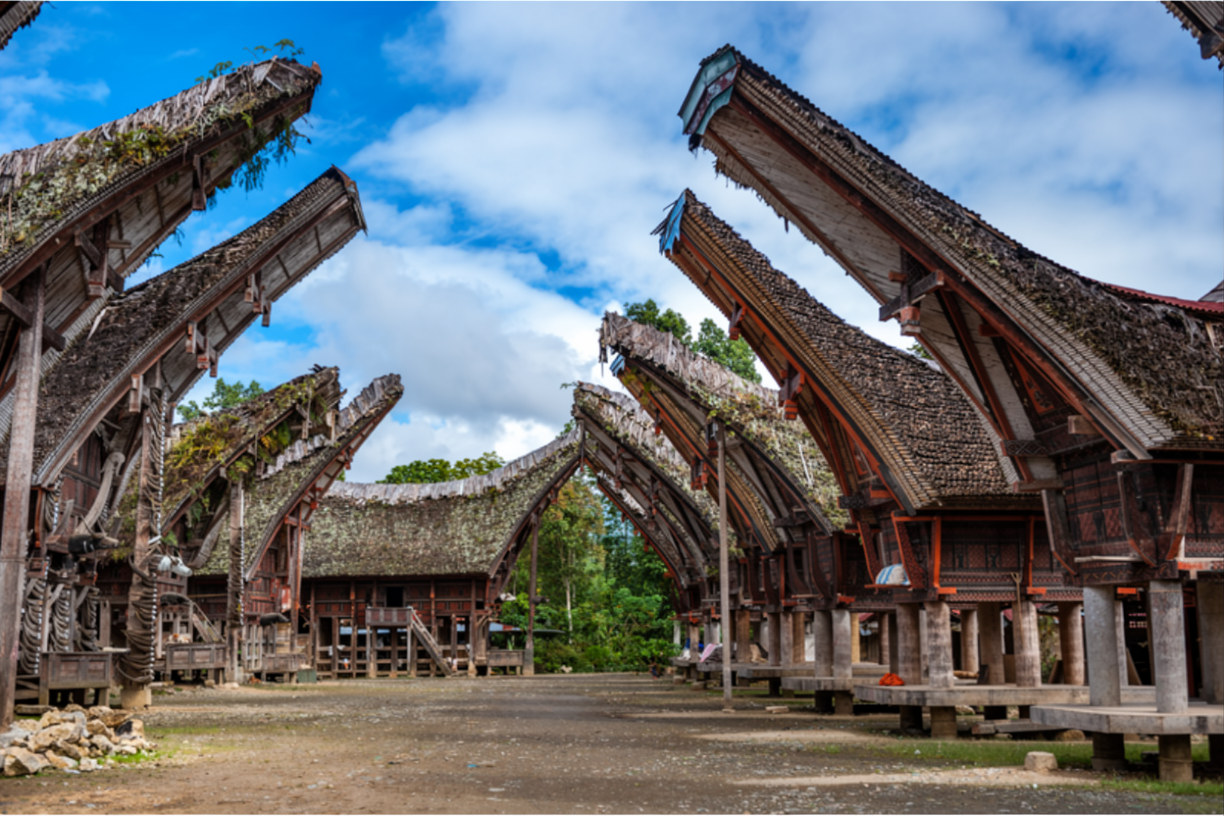
Tongkonan Houses by javarman3
Have you ever visited a place that feels like stepping back in time? That was exactly how I felt when I first arrived in Tana Toraja, a highland region in South Sulawesi, Indonesia. Surrounded by lush mountains, iconic Tongkonan houses, and cool fresh air, I found a destination where ancient traditions are not just preserved—they are still very much a part of everyday life.
Toraja is famous not only for its breathtaking landscapes but also for its extraordinary cultural heritage. Every year, thousands of travelers from around the world visit this region to witness ceremonies unlike anywhere else on Earth. Naturally, I was curious to see what makes Toraja one of Indonesia’s most fascinating cultural destinations.
A Journey into the Heart of Torajan Culture
Getting to Tana Toraja requires some patience. From Makassar, the journey by road takes around eight to nine hours. Fortunately, the scenic drive through winding mountain roads, rice terraces, and traditional villages makes the trip enjoyable rather than exhausting.
As soon as I arrived, I noticed that Toraja has a unique atmosphere. The traditional Tongkonan houses, with their distinctive boat-shaped roofs, stand proudly across the villages. Their colorful carvings in red, black, and yellow are more than just decorations—they tell stories about the Torajan people’s philosophy of life.
It quickly became clear that traditions here are not merely cultural performances for tourists. They remain an essential part of everyday life, passed down from generation to generation with great respect.
Read also :
Understanding the Famous Rambu Solo’ Ceremony
The most well-known tradition in Toraja is undoubtedly Rambu Solo’, the elaborate funeral ceremony that has made the region internationally famous.
For many people, funerals are quiet and solemn occasions. In Toraja, however, they are also significant social and cultural events that may last several days and bring together extended families, relatives, neighbors, and guests from distant places.
One aspect that fascinated me was the Torajan perspective on death. According to traditional beliefs, a person is not considered to have completely departed until the funeral ceremony has been properly conducted. Before the ceremony takes place, the deceased is respectfully cared for at home and treated as though they are still part of the household.
To outsiders, this may seem unusual. Yet after spending time with local families, I realized it reflects an extraordinary level of love and respect for one’s ancestors.
A Ceremony Filled with Meaning
When I had the opportunity to witness a Rambu Solo’ ceremony, I expected an atmosphere of mourning. Instead, I found something much deeper—a celebration of family bonds, community, and remembrance.
Dozens of relatives gathered wearing traditional black clothing. Guests continued arriving throughout the day, while traditional music echoed across the ceremonial grounds.
Every ritual followed a carefully preserved sequence under the guidance of respected traditional elders. From welcoming visitors and presenting offerings to reciting ancestral prayers, every stage carried symbolic meaning.
For travelers, attending a ceremony like this is not simply about observing a unique cultural event. It is an opportunity to understand how the Torajan people view life, death, and the enduring connection between generations.
Why Buffaloes Are So Important
One of the most striking aspects of the ceremony is the important role played by water buffaloes.
In Toraja, buffaloes are far more than livestock. They symbolize social status, prosperity, and respect for the deceased. Families often dedicate buffaloes during the ceremony as a final tribute to their loved ones.
Some rare spotted buffaloes are especially prized and can cost hundreds of millions of Indonesian Rupiah. Seeing the care and admiration people have for these animals helped me understand that cultural symbols vary greatly across the world. What might seem ordinary elsewhere can carry profound spiritual significance in another culture.
Visiting Toraja’s Remarkable Cliff Burial Sites
Toraja is also renowned for its extraordinary burial sites, which are unlike any I have visited before.
One of the most memorable experiences was exploring ancient cliff tombs carved directly into towering limestone walls. Standing before them, I noticed rows of wooden effigies known as Tau Tau, carefully positioned on balconies overlooking the valley below.
Rather than creating a frightening atmosphere, these figures inspired curiosity and admiration. They represent the deceased and continue watching over their families long after they are gone.
Many of these burial sites have remained intact for centuries, serving as remarkable reminders of Toraja’s rich cultural heritage.
Rambu Tuka’: Celebrating Life
Not every traditional ceremony in Toraja is connected to death. The region also celebrates Rambu Tuka’, a joyful ceremony that marks important milestones in life.
These celebrations often accompany the completion of a new Tongkonan house, successful harvests, weddings, or other happy occasions.
The atmosphere could not be more different from Rambu Solo’. Traditional bamboo music fills the air, cultural dances entertain the guests, and everyone shares delicious local dishes while celebrating together.
Experiencing both ceremonies gave me a deeper appreciation of Torajan philosophy. Their traditions honor every stage of life—from birth and prosperity to the final farewell.
Respecting Local Customs as a Visitor
If you plan to visit Toraja during one of its traditional ceremonies, it is important to remember that these events are sacred to the local community.
Always dress modestly, speak respectfully, and avoid interrupting the ceremony. Before taking photographs, especially of family members or close-up moments, ask for permission.
The people of Toraja are known for their warm hospitality. As long as visitors show genuine respect for their customs and beliefs, they are usually welcomed with kindness and openness.
Why Toraja Deserves a Place on Your Travel Bucket List
After spending several unforgettable days in Toraja, I realized that this destination offers much more than spectacular mountain scenery.
It is a place where culture remains alive, where traditions continue to shape everyday life, and where every village has stories waiting to be discovered.
From the magnificent Tongkonan houses and ancient cliff tombs to the world-famous Rambu Solo’ ceremony, every experience revealed another layer of Toraja’s rich heritage.
Travel is not only about visiting beautiful places—it is about gaining new perspectives and understanding different ways of life. Toraja offers exactly that.
If you’re looking for an authentic cultural adventure in Indonesia, one that goes far beyond beaches and tropical islands, Tana Toraja should be at the top of your list. It’s a destination that stays with you long after you’ve returned home, leaving you with memories and insights that few other places can offer.

I am a tourism enthusiast passionate about discovering Indonesia’s destinations, culture, and local communities. I believe tourism and UMKM can grow together, creating meaningful experiences for travelers while supporting local businesses and communities.
Related Post
Subscribe
Login
0 Comments
Oldest