
Why Travelers Fall in Love with Javanese Gamelan : The Soul of Indonesia’s Ancient Music
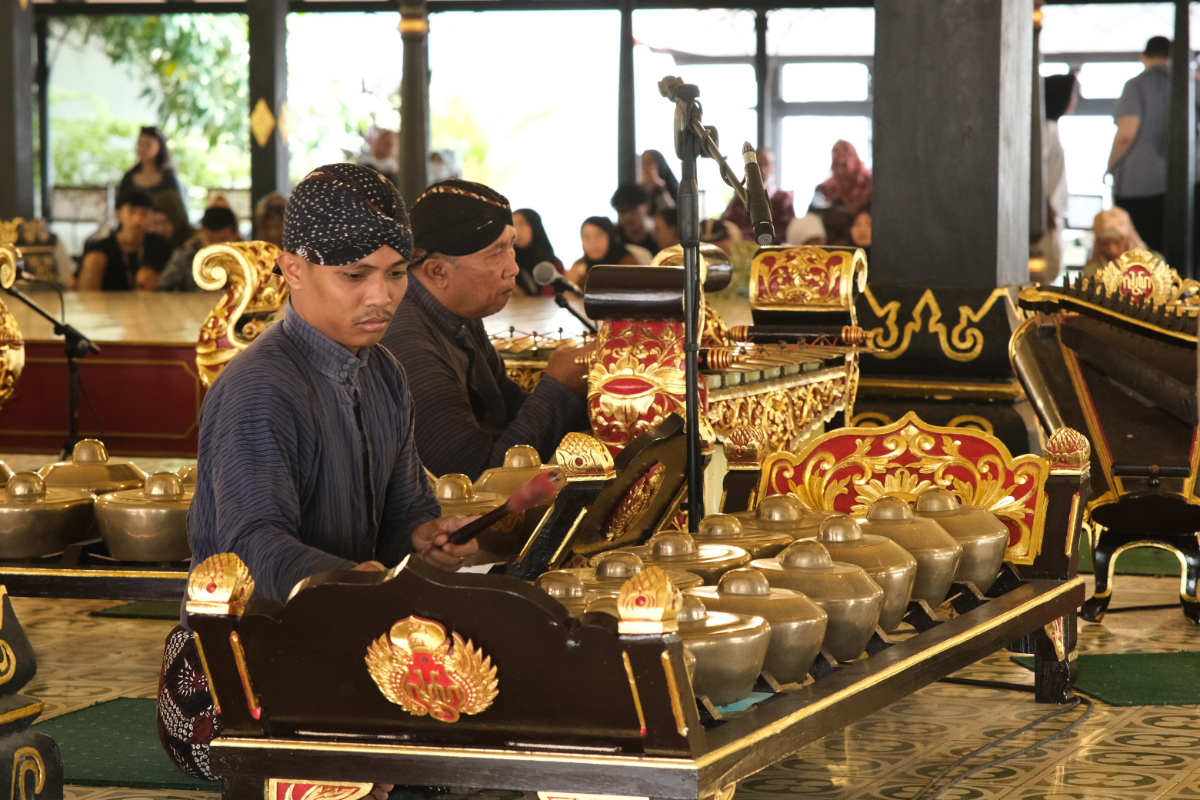
Gamelan is an original Indonesian musical instrument by Tyas Indayanti
Whenever I travel around Java, there is one sound that instantly makes me slow down and appreciate the moment—the gentle resonance of Gamelan. Whether it comes from the courtyard of a royal palace, a traditional village, or a cultural festival, its melodies create an atmosphere unlike anything else. The deep vibration of the gong, the rhythmic beat of the kendang, and the shimmering tones of the bronze instruments blend together in perfect harmony.
At first, many travelers think Gamelan is simply traditional music. But after listening to it in person, you quickly realize it is much more than entertainment. It is a living tradition, a reflection of Javanese philosophy, and one of Indonesia’s greatest cultural treasures.
If you’re planning a trip to Java, experiencing Gamelan should be just as important as visiting famous temples or tasting local cuisine.
What Is Gamelan?
Contrary to what many people believe, Gamelan is not a single musical instrument. It is an ensemble made up of various instruments played together to create a rich and harmonious sound.
The word Gamelan comes from the Javanese word gamel, meaning “to strike” or “to hit.” Most of the instruments are made of bronze and are played using wooden mallets, although some are drums or string instruments.
Read also :
A complete Gamelan orchestra typically includes large gongs, metallophones, drums, xylophones, and other percussion instruments. Each instrument has its own role, yet none dominates the performance. Instead, every musician contributes equally, creating music that feels balanced and peaceful.
This sense of unity is one of the reasons why Gamelan has remained an important part of Javanese culture for centuries.
Why Is Gamelan Considered an “Adiluhung” Art?
In Javanese culture, the word Adiluhung refers to something noble, refined, and spiritually valuable. Gamelan perfectly embodies this concept.
Its beauty lies not only in its melodies but also in the philosophy behind every performance.
Unlike many modern musical styles where individual performers often take the spotlight, Gamelan emphasizes harmony over personal expression. Every musician listens carefully to one another, ensuring that each note fits perfectly within the larger composition.
This reflects an important Javanese value: life is most harmonious when people respect each other, understand their roles, and work together.
Even silence has meaning in Gamelan. The pauses between notes are just as important as the sounds themselves, reminding listeners that balance exists between movement and stillness.
These values of patience, humility, discipline, and cooperation make Gamelan much more than music—it becomes a lesson in life itself.
Meet the Instruments Behind the Beautiful Harmony
One of the most fascinating parts of watching a Gamelan performance is discovering the wide variety of instruments that create its unique sound.
The Gong is the largest instrument and provides deep, resonant tones that mark important moments in the music.
The Bonang, a collection of small bronze gongs arranged in rows, produces intricate melodic patterns that decorate the composition.
The Saron carries the main melody with bright metallic notes, while the Gender adds softer, flowing harmonies.
Meanwhile, the Kenong emphasizes rhythmic phrases, and the Kendang, a traditional drum, controls the tempo and guides the entire ensemble.
Another unique instrument is the Gambang, a wooden xylophone that adds warmth and texture to the overall sound.
Although each instrument sounds beautiful on its own, the true magic happens when they are played together.
Gamelan in Everyday Javanese Life
Unlike many traditional art forms that are only performed for tourists, Gamelan continues to play an important role in everyday life across Java.
It accompanies traditional weddings, religious ceremonies, cultural festivals, royal palace events, shadow puppet performances (Wayang Kulit), and classical Javanese dance performances.
In cities like Yogyakarta and Surakarta, visitors can often hear Gamelan echoing through palace courtyards or cultural centers.
Many traditional villages also organize regular community rehearsals, ensuring that younger generations continue learning this remarkable musical heritage.
Rather than becoming a museum artifact, Gamelan remains a vibrant part of modern Indonesian culture.
Watching Gamelan Live Is an Unforgettable Experience
Listening to Gamelan through headphones is enjoyable, but nothing compares to hearing it live.
I still remember sitting quietly inside a traditional Javanese pavilion as the musicians began to play. There were no dazzling lights or booming speakers—just the natural acoustics of the wooden building and the gentle rhythm of the instruments.
The atmosphere felt incredibly peaceful. A light breeze drifted through the open pavilion while the deep sound of the gong echoed softly across the courtyard.
The audience sat in respectful silence, fully immersed in the performance.
At that moment, it became clear that Gamelan is not simply music—it is an experience that connects people with history, culture, and spirituality.
Why International Travelers Are Fascinated by Gamelan
Interestingly, many of the people most eager to learn Gamelan come from outside Indonesia.
Universities in the United States, Australia, Japan, the Netherlands, and several other countries have established Gamelan ensembles where students study both the music and the philosophy behind it.
International visitors are often amazed by how different Gamelan sounds compared to Western orchestras. Instead of dramatic solos and fast-paced rhythms, they discover music that encourages mindfulness, cooperation, and careful listening.
Many cultural workshops across Java even allow visitors to try playing Gamelan themselves. While it may look simple at first, most travelers quickly realize that mastering its rhythms requires concentration, patience, and teamwork.
Where to Experience Authentic Gamelan in Java
If you’re visiting Java, make time to experience a live Gamelan performance.
The Yogyakarta Palace (Keraton Yogyakarta) regularly hosts traditional music and dance performances accompanied by Gamelan. The Surakarta Palace (Keraton Surakarta) is another excellent destination for experiencing authentic Javanese court music.
You’ll also find performances in cultural villages, local art studios, museums, and annual cultural festivals throughout Central Java and Yogyakarta.
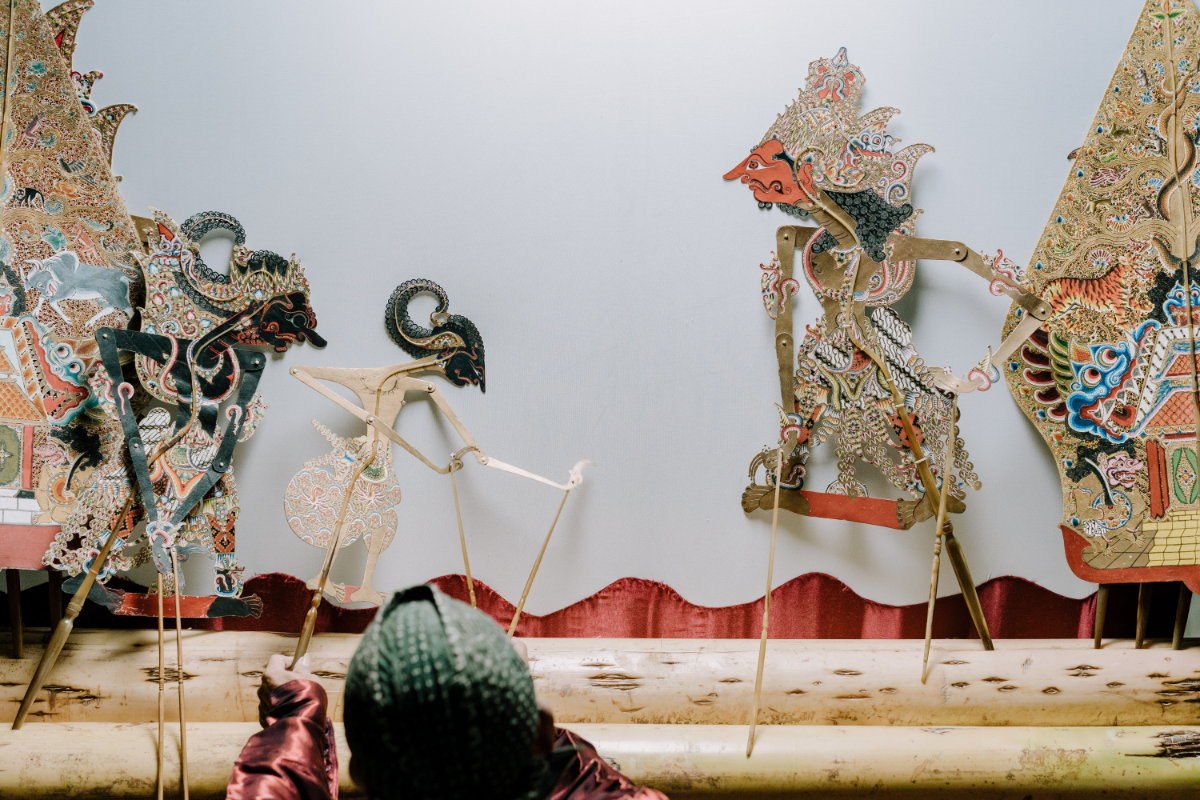
For an even richer experience, consider attending a traditional Wayang Kulit performance, where Gamelan provides the emotional soundtrack to the centuries-old shadow puppet storytelling.
Watching Gamelan in its natural cultural setting offers a deeper appreciation than simply hearing recordings online.
More Than Music—The Living Soul of Java
In today’s fast-paced world, Gamelan continues to preserve values that feel increasingly rare: patience, harmony, humility, and togetherness.
For the Javanese people, it is not merely an orchestra of bronze instruments but a symbol of balance between humans, nature, and tradition.
Every note tells a story. Every rhythm reflects generations of wisdom passed down through centuries.
So when you visit Java, don’t just check famous landmarks off your itinerary. Spend an afternoon sitting in a traditional pavilion, listening to the timeless melodies of Gamelan. You may leave with more than beautiful memories—you may gain a deeper understanding of the soul of Java itself.

I am a tourism enthusiast passionate about discovering Indonesia’s destinations, culture, and local communities. I believe tourism and UMKM can grow together, creating meaningful experiences for travelers while supporting local businesses and communities.
Related Post
Subscribe
Login
0 Comments
Oldest