
Why Do Travelers Keep Coming Back to Yogyakarta? The Real Reason May Surprise You
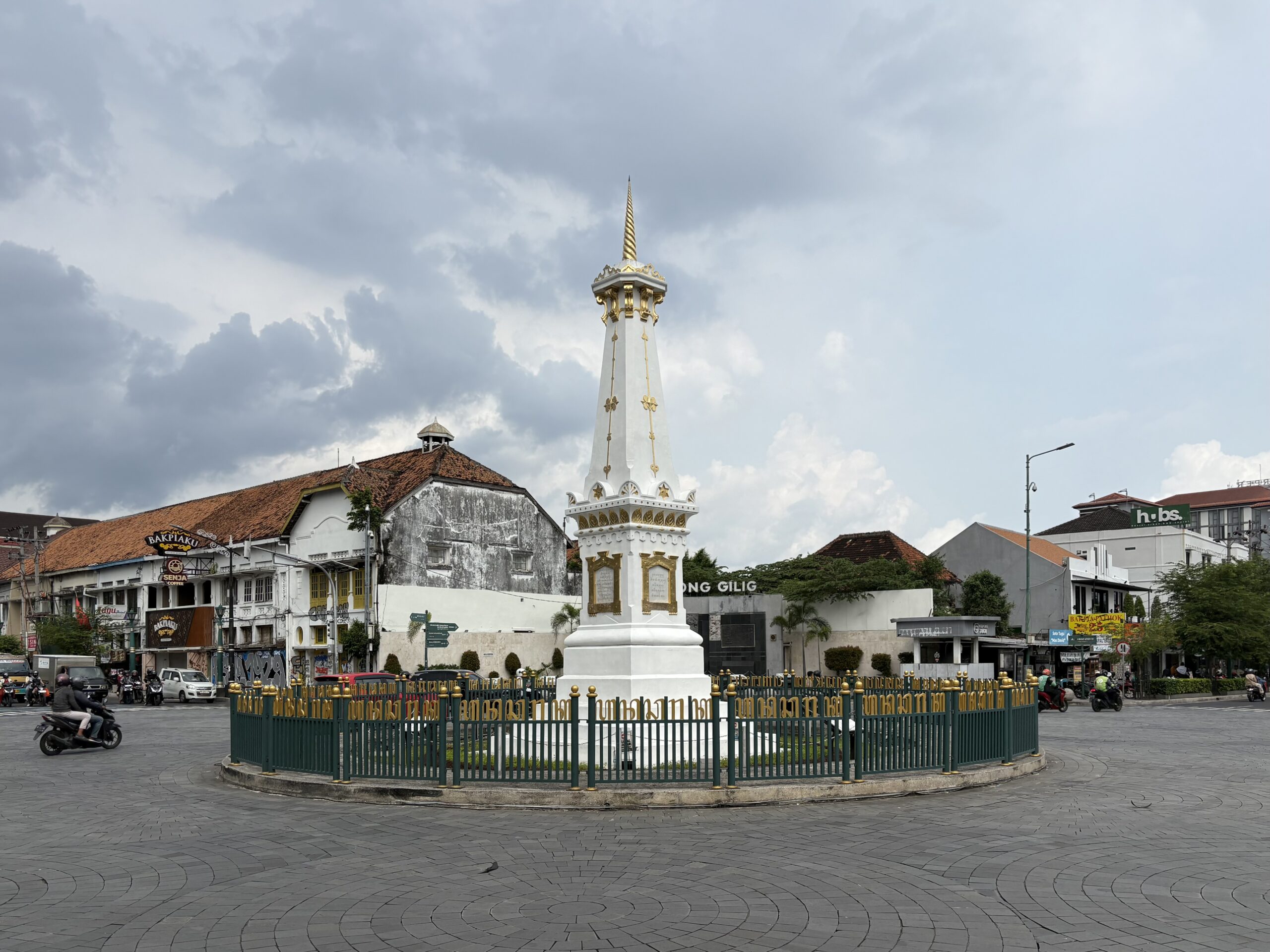
There is something about Yogyakarta that is difficult to explain to someone who has never been there. You can visit its famous attractions, walk through Malioboro, explore ancient temples, taste local food, and spend a few days enjoying the city. Then you go home. A few months later, you start thinking about coming back.
So, why travelers want to return to Yogyakarta is actually an interesting question. It is not simply because the city has plenty of tourist attractions. Indonesia has many destinations with beautiful beaches, mountains, cultural sites, and excellent food. Yet Yogyakarta has a particular atmosphere that seems to stay with people long after their trip is over.
Perhaps the answer is not one particular place. Maybe it is the combination of many small things: a quiet morning in a village, a bowl of gudeg, a conversation with a local resident, the sound of gamelan somewhere in the distance, a sunset over the hills, or simply the feeling of walking through the city without having to rush.
That is what makes Yogyakarta different.
Yogyakarta Is More Than a List of Tourist Attractions
For someone visiting Yogyakarta for the first time, it is easy to think about the city in terms of a checklist.
Malioboro? Check.
Yogyakarta Palace? Check.
Prambanan Temple? Check.
A famous restaurant? Check.
Perhaps a beach in Gunungkidul? Check.
There is nothing wrong with traveling this way. In fact, first-time visitors need those iconic places because they provide an introduction to the destination.
But after a while, something changes.
You stop asking, “What tourist attraction should I visit next?” and start asking, “What else can I experience here?”
That is when Yogyakarta becomes much more interesting.
The city has a remarkable mix of history, culture, education, art, food, nature, and local community life. You can spend the morning exploring a historical site and, a few hours later, find yourself driving through a quiet village surrounded by rice fields.
You can have an inexpensive meal at a simple roadside restaurant and remember it more fondly than a meal at an expensive restaurant.
You can spend an evening walking around the city with no particular destination and still feel that the night was worth it.
This is one of the biggest clues when discussing why travelers want to return to Yogyakarta. The city offers different experiences depending on how deeply you choose to explore it.
Every Traveler Seems to Have Their Own Yogyakarta
Ask ten people about Yogyakarta and you may get ten completely different answers.
For a history enthusiast, Yogyakarta is about the Sultanate, royal traditions, ancient temples, museums, and historic neighborhoods.
For someone who loves nature, it is about beaches, hills, caves, rivers, forests, rice fields, and rural landscapes.
For food lovers, Yogyakarta can easily become a small culinary adventure. Gudeg is probably the most famous example, but it is far from the only thing worth trying. There are Javanese noodles, satay, traditional snacks, street food, coffee shops, local desserts, and countless small eateries scattered around the city and surrounding areas.
For students and younger travelers, Yogyakarta has a different personality again. The city’s large student population has helped create a lively environment filled with art, music, creative communities, cafés, bookstores, and cultural events.
Then there are travelers who simply come to slow down.
They may not care about visiting ten attractions in three days. They want a comfortable hotel, good food, a few interesting places, and enough time to breathe.
Yogyakarta works for all of them.
And perhaps that is one reason the city rarely feels completely “finished.”
Malioboro Is Famous, but There Is Much More to Discover
Malioboro is one of the first places that comes to mind when people hear the word Yogyakarta.
It deserves its popularity. The area has become one of the city’s most recognizable landmarks, and walking through it gives visitors a quick introduction to the energy of Yogyakarta.
You see tourists, local residents, street vendors, shops, traditional products, modern businesses, and old buildings sharing the same space.
But if you only see Malioboro, you have only seen one small part of the story.
Go a little farther and the atmosphere begins to change.
There are quieter neighborhoods, traditional villages, small restaurants, workshops, art spaces, and local businesses that rarely appear in international travel guides.
Drive farther outside the city and you may find yourself surrounded by rice fields and hills. In other directions, the landscape eventually leads toward the southern coast and the beaches of Gunungkidul.
This is where Yogyakarta becomes particularly enjoyable for repeat visitors.
Once you already know the famous places, you can start looking for the quieter ones.
And sometimes the quieter places leave a stronger impression.
The Natural Side of Yogyakarta Deserves More Attention
When people talk about Yogyakarta, culture and history usually come first.
But the region also has an impressive natural side.
Gunungkidul is perhaps the best-known example. Its coastline is lined with beaches, each with a different personality. Some have broad stretches of sand, some are surrounded by cliffs, and others are better suited for travelers looking for a quieter place to watch the sea.
The hills around Yogyakarta offer another kind of experience.
Early in the morning, some viewpoints are covered in mist. Later in the day, the same landscape can look completely different under the afternoon sun.
Then there are rural roads where the attraction is not necessarily a specific tourist site. Sometimes it is simply the scenery along the way.
This is an important part of traveling in Yogyakarta that is easy to overlook.
The road itself can become part of the trip.
You pass through villages, see farmers working in the fields, stop at a small roadside stall, talk to someone who knows the area, and eventually arrive at your destination.
That experience cannot be captured in a simple travel itinerary.
For many people, it is exactly this combination of destination and journey that explains why travelers want to return to Yogyakarta.
Don’t Try to See Everything in One Trip
If there is one piece of advice I would give to someone visiting Yogyakarta for the first time, it would be this: don’t try to see everything.
It sounds strange, especially when you have traveled a long way and want to make the most of your holiday.
But packing too many destinations into one itinerary can turn a relaxing trip into a race against the clock.
You leave the hotel early, spend an hour at one attraction, rush to the next place, eat lunch in the car, chase a sunset, and arrive back at your hotel exhausted.
Yes, you have taken many photographs.
But did you actually enjoy the trip?
Yogyakarta is better when you leave some empty space in your schedule.
Sit down for coffee.
Have lunch somewhere that was not on your original itinerary.
Take a slower route through the countryside.
Stop when you see something interesting.
Talk to a local person.
Watch the sunset without worrying about getting the perfect photograph.
Those moments often become the stories you tell when you get home.
A good travel itinerary is not necessarily the one with the most destinations. It is the one that leaves you with enough energy to enjoy them.
The Culture Is Not Just for Tourists
One of Yogyakarta’s greatest strengths is that its culture is still part of everyday life.
You don’t have to enter a museum to find culture here.
It can be found in traditional ceremonies, local food, handicrafts, music, architecture, community activities, and the way people interact with one another.
This makes cultural travel in Yogyakarta different from visiting a place where traditions exist only as performances for tourists.
There are communities where traditional crafts are still practiced. There are villages where visitors can learn about local activities. There are artists, musicians, craftsmen, and food producers whose work is closely connected to the identity of the region.
If you have the opportunity, spend some time talking to them.
Ask questions.
Listen to their stories.
Buy something directly from a local producer.
Use a local guide when appropriate.
These simple actions can turn an ordinary sightseeing trip into something much more meaningful.
Tourism Should Also Benefit Local People
There is another side of travel that is becoming increasingly important: where the money goes.
Yogyakarta’s tourism industry supports a huge network of small businesses and local workers.
Think about the people behind your trip.
The person preparing your breakfast.
The driver taking you to a destination.
The owner of a small guesthouse.
The local guide explaining the history of a village.
The craftsman making souvenirs.
The woman selling traditional snacks.
The family running a small restaurant.
They are all part of the tourism experience.
When travelers choose local businesses, they are not simply buying a product or service. They are helping keep part of the local economy moving.
This is particularly important outside the major tourist centers, where tourism can provide additional income for communities.
For me, good tourism should create a relationship between visitors and destinations.
Travelers get memorable experiences, while local communities receive genuine economic opportunities.
That balance matters.
Sometimes Yogyakarta Feels Surprisingly Familiar
There is a phrase often associated with Yogyakarta: it feels like home.
It is difficult to explain exactly why.
The city certainly has its problems. Traffic can be frustrating. Popular destinations can become crowded. The weather can be hot, and during holiday periods some places can feel extremely busy.
Yet somehow, many visitors still feel comfortable here.
Maybe it is the relaxed rhythm.
Maybe it is the food.
Maybe it is the friendliness of people.
Maybe it is the mixture of old and new.
Or maybe it is simply because Yogyakarta gives people permission to slow down.
Different travelers attach different memories to the city.
For one person, it may be the place where they traveled with their parents.
For another, it may be where they went on their first trip with friends.
For someone else, Yogyakarta may remind them of university life, a special relationship, or a particularly memorable weekend.
These personal connections are difficult to manufacture through tourism marketing.
They happen naturally.
And once they exist, a destination can become much more than a destination.
Why Do People Return Even After Seeing the Famous Places?
This is probably the most interesting part.
A traveler who has already visited Yogyakarta does not necessarily need another checklist.
They have seen Malioboro.
They have visited the palace.
They have taken photographs at the famous temples.
They may have already visited the beaches.
So why come back?
Because the second trip is rarely the same as the first.
The first trip might be about seeing the highlights.
The second could be about exploring places outside the city.
The third might focus on food.
Another trip could be a family vacation.
And sometimes, the reason is much simpler.
You just miss the place.
That is perhaps the clearest answer to why travelers want to return to Yogyakarta.
People don’t always return because there is something they haven’t seen.
Sometimes they return because there is something they want to feel again.
Yogyakarta Does Not Need to Be Viral to Be Worth Visiting
Travel has changed dramatically because of social media.
A place can become famous overnight because of one short video.
Suddenly everyone wants the same photograph from the same viewpoint.
There is nothing inherently wrong with that, but it can make travelers forget something important: a destination does not have to be viral to be valuable.
Some of the best experiences in Yogyakarta happen in places that would never become an Instagram sensation.
A small warung.
A quiet village road.
A conversation with a local craftsman.
A cup of coffee while watching the rain.
A roadside view of rice fields.
A late-night meal after a long day of exploring.
These moments may not look spectacular on social media, but they can stay in your memory for years.
That is another reason why travelers want to return to Yogyakarta. The city rewards curiosity. The more you look beyond the obvious, the more you tend to discover.
The Best Time to Experience Yogyakarta Is Not Always the Busiest Time
There is also something to be said for choosing the right rhythm.
If possible, avoid planning every day around the most popular attractions during peak holiday periods.
Go early in the morning when you can.
Explore quieter areas during busy hours.
Give yourself time to eat without rushing.
And if the weather changes your plans, don’t immediately assume the day is ruined.
Rain can completely change the mood of Yogyakarta.
A wet street, a cup of hot coffee, the smell of food from a nearby stall, and the sound of rain can create a completely different kind of travel memory.
Sometimes the best travel experiences are not the ones you planned most carefully.
So, What Really Makes Yogyakarta Special?
If you ask me to name one attraction that explains the magic of Yogyakarta, I probably couldn’t do it.
It isn’t Malioboro.
It isn’t the palace.
It isn’t a particular beach.
It isn’t even the food.
It is the combination.
History and modern life exist side by side.
The city and countryside are close enough to experience in the same trip.
Traditional culture continues alongside contemporary art and creative communities.
Simple local food can be enjoyed alongside modern cafés and restaurants.
And tourists can choose whether they want an energetic holiday or a slower, more personal journey.
That flexibility is a big part of why travelers want to return to Yogyakarta.
There is always another side of the city waiting to be discovered.
Maybe the Real Attraction Is the Feeling
After all the photographs are taken and the souvenirs are packed into your suitcase, what usually remains?
The memories.
Maybe it is a particular meal.
Maybe it is the view from a hill.
Maybe it is a conversation with a stranger.
Maybe it is the sound of motorcycles passing through a quiet street at night.
Maybe it is sitting with friends at an inexpensive café until midnight, talking about things that had nothing to do with tourism.
These are small things.
But travel is often made up of small things.
That may be the secret behind why travelers want to return to Yogyakarta. The city does not always try to impress you with something enormous. Instead, it quietly gives you dozens of little experiences that become meaningful when you look back.
And once those memories are attached to a place, returning feels natural.
Yogyakarta Is Not a Place You Simply “Finish”
Perhaps this is the best way to understand Yogyakarta.
A first-time visitor may see the city as a collection of attractions.
A returning traveler begins to see it as a collection of experiences.
The difference is important.
You don’t necessarily return because you have another famous landmark to cross off your list.
You return because you want to explore a different neighborhood, try another local dish, visit a village you missed last time, discover a new beach, or simply spend a few quiet days somewhere that feels familiar.
That is why I believe Yogyakarta is one of those rare destinations where returning does not feel repetitive.
The city changes.
The traveler changes.
And the way you see the city changes with you.
So if you have never been to Yogyakarta, come with an open mind. See the famous places, certainly. They are famous for a reason.
But leave some time for the unexpected.
And if you have already been here several times, perhaps you don’t need another list of places you “must” visit.
Maybe this time, just slow down.
Take a different road.
Eat somewhere local.
Talk to someone.
Watch the sunset.
Let the day unfold without trying to control every minute.
Because perhaps the real answer to why travelers want to return to Yogyakarta is surprisingly simple.
You don’t always return to Yogyakarta because there is something new to see.
Sometimes, you return because there is something familiar you miss.
And sometimes, you return because you know that somewhere between the food, the people, the culture, the landscape, and the unplanned moments, there is still another Yogyakarta waiting for you.

I am a tourism enthusiast passionate about discovering Indonesia’s destinations, culture, and local communities. I believe tourism and UMKM can grow together, creating meaningful experiences for travelers while supporting local businesses and communities.